Refreshment focuses on the water dispenser/cooler, office coffee service and vending sectors, while also taking an in-depth look into products for vending from bottled water and drinks, to snacks and confectionery. It also focuses on hydration, health and wellness, new technologies and environmental and social responsibility issues.
.png)

Research
Coffee & tea

%20(1).jpg)


Self-service offerings can provide a uniquely complementary service for venues such as cinemas, gyms and family entertainment centres, reports Refreshment magazine editor Bryony Andrews.
Self-service retail outlets like vending machines and micro markets are a common sight in places where convenience and speed are a priority – at transport interchanges like train and bus stations, for example, or in busy offices where productivity is prioritised. Many of the characteristics that make vending suited to these locations can be translated to leisure venues, too, where they can help leisure operators meet the challenges posed by high footfall, diverse consumer needs and unsociable opening hours.
Adding venue beyond revenue
Revenue is one of the most obvious benefits of a vending service. Both the vending operator and the leisure venue can generate profit whilst optimising otherwise dead space. Further revenue can be generated by digital advertising or branded machine housing.
Elyas Coutts, CEO at Connect Vending, a leading independent supplier of commercial vending machines in the UK, explained that typically, vending partners offer the machines on a lease term, which means there are no high upfront costs, and the leisure venue is not burdened by depreciating assets.
At its best, however, vending is not just an extra sales point. It is part of the venue’s service infrastructure. “Revenue is important, but I think the wider value is often more meaningful,” said Dave Berman, co-founder of VendEase, a London-based vending operator specialising in tech-forward, cashless vending systems. “A well-run leisure venue feels easy to use. If someone wants water after a workout, a snack before a film or a quick refreshment while spending time with family, they should be able to get it without friction. That kind of convenience may seem small, but it leaves a lasting impression. So beyond revenue, vending adds value by improving customer satisfaction, supporting staff and helping the venue feel more complete and better thought through.”
Andrew Jones, sales director of national accounts at Selecta UK, similarly emphasised that good ending can improve customer satisfaction, offering quick, easy access to refreshment on-demand – especially during busy periods, between activities or when staffed outlets are closed.
“It can also reduce workload for on-site teams,” he noted. “With a fully managed service, venue staff do not need to spend time restocking, maintaining equipment or managing day-to-day operation. That frees them up to focus on the parts of the customer experience that matter most.”
According to Connect Vending’s Coutts, research into consumer behaviour shows that people increasingly base their perception of a venue on the quality of its facilities. This means that a well-stocked, accessible vending machine signals that the operator has thought carefully about their customers’ experience.
“Nowadays, consumers expect convenience, so when a venue can meet their needs quickly and efficiently, it creates a positive lasting impression,” Coutts said. “Customer satisfaction can also be boosted by having a tailored product range. Health-conscious eating is one of the most significant shifts in consumer behaviour in recent years…In a gym and leisure environment, offering genuinely nutritious options such as protein bars, healthy drinks and low-sugar snacks signals that the venue understands and respects its audience, strengthening customer loyalty as a result.”
Convenience without complexity
A fully-managed vending service gives leisure venues a simple way to offer food and drink throughout the day, and even beyond staffed hours, without needing extra personnel or in-house management.
“When it is done properly, vending gives customers quick, reliable access to drinks, snacks and essentials, while giving the venue a service that runs quietly in the background,” said VendEase’s Berman. “That is especially useful in leisure, where demand often comes in waves and people want something immediately, not eventually.”
“For decision makers in leisure, the real value of vending is that it adds convenience without adding complexity. These venues already have a great deal to manage, from staffing and cleanliness to customer flow and the overall guest experience. A good vending partnership should make life easier, not create another operational burden,” said Berman.
Vending can also help to reduce pressure on staff. In many leisure settings, team members are focused on customer service and daily operation. Constant interruptions for minor convenience requests take time and energy away from more valuable work.
Selecta’s Jones further noted that vending can help venues make better use of space to offer a consistent service in areas where a full café or staffed counter may not be practical. “In busy environments such as cinemas, gyms and family entertainment centres, that means faster service, fewer missed sales opportunities and a better overall experience for visitors,” he said.
In addition, vending machines ensure service continuity. Some leisure venues have highly variable footfall – during evenings, weekends or school holidays, for example – and vending makes it possible to meet demand at any time, including outside traditional catering hours, while saving the cost of running a staffed service that may not be needed.

Which leisure settings offer the strongest potential for vending?
According to Selecta’s Jones, the strongest opportunities for vending tend to be in settings where dwell time is high, where people naturally want to refresh or refuel or where demand comes in peaks.
Gyms offer good potential, particularly for hydration and healthier snacks, because people visit across long opening hours and often want something convenient before or after exercise. Vending offers them 24/7 access. Similarly, ice rinks are a physically demanding environment, with attendance concentrated around specific time slots, and a diverse audience spanning athletes, school trips and leisure skaters.
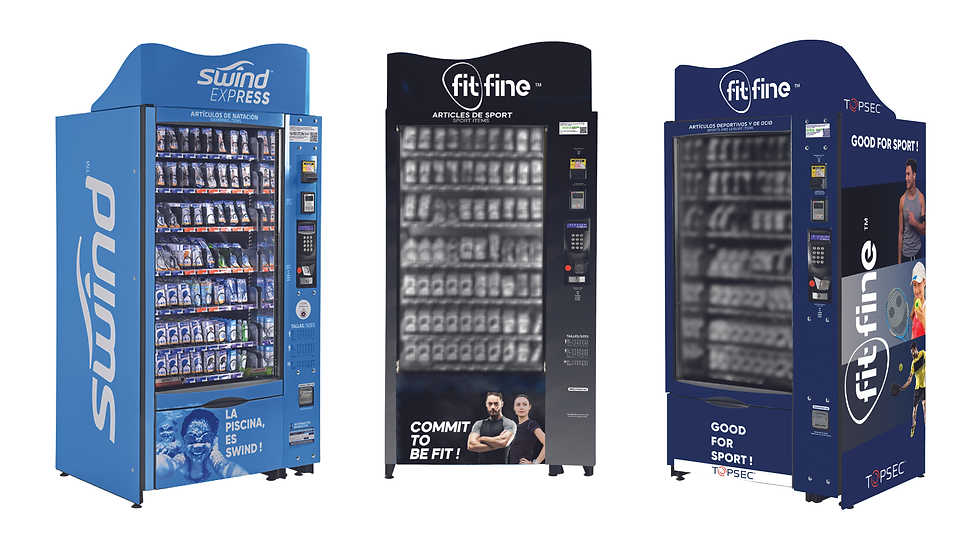
Swimming and leisure centres can also perform well, with visitors often staying for a while and wanting easy access to food and drink. Children frequently want a snack or drink after swimming lessons and vending gives parents the opportunity to quickly grab something for the journey home. Vending can also accommodate immediate swimming equipment needs, such as swimsuits, toys, forgotten goggles or mandatory swim caps.
Cinemas are a strong fit because customers often want to purchase drinks, snacks and treats before a film, and quick self-serve options can help reduce queues at peak times.
All of these facilities share a common characteristic, observed Mélanie Baste, head of communications at Topsec: users who are actively engaged; often short on time; and looking for simple, fast and easily accessible solutions that do not interrupt their main reason for being in the leisure venue. “In each of these environments, vending machines meet an immediate need without cannibalising the venue’s core activity,” she said.
Sports centres and gyms
For decision makers in sports and leisure facilities, vending machines represent a particularly relevant service solution, as they address very specific needs related to physical effort, recovery and user comfort.
“[Vending machines] serve as a lever for enhancing the attractiveness of a sports facility,” said Topsec’s Baste. “Vending can provide an immediate response to concrete needs such as equipment, accessories, hydration, snacks or recovery drinks.”
“This constant availability enhances user comfort and helps reduce everyday friction points, particularly during peak attendance periods.”
Baste further emphasised that in a sector where there is fierce competition, like fitness clubs, aquatic centres or ice rinks, small details matter. “Providing practical solutions that are immediately accessible before or after sports activity helps reinforce the perceived quality of the venue and strengthens user loyalty,” she said.
Connect Vending’s Coutts similarly believes that gyms typically offer a strong potential for vending.
“This is simply because vending works best when convenience meets routine,” he said. “Most gyms operate 24/7, whereas other leisure venues such as FECs and cinemas tend to have set opening hours, limiting the hours the machine is available to generate revenue. Plus, members of the gym have predictable, recurring needs, whether it’s protein bars, energy drinks, electrolyte water or supplements. That combination of high-frequency visits and reliable demand is hard to match in any other leisure setting.”
The strongest prospects for vending in sports centres are typically locations where members naturally spend a long time. Sites with facilities like tennis courts, swimming lessons and children’s activities are likely to be profitable, as participants want to refresh or refuel after an activity. Vending can also provide refreshments for spectators watching family members, or players wanting to socialise after a match.

Complementing, not competing
Many leisure venues already have a food and beverage offering on-site, posing a challenge for vending operators: how can a vending service complement, rather than compete with, existing offerings?
Vending machines can best complement existing food and retail offerings when they fill gaps in existing services, rather than duplicating them. The most natural fit for vending machines in leisure venues is to cover out-of-hours access, when the on-site foodservice offering closes but the venue is still open.
The key, according to VendEase’s Berman, is to make sure that vending is serving a different purpose. “A café, kiosk or retail counter is usually there to offer a fuller experience: fresh food, coffee, service, atmosphere or a broader retail proposition. Vending is there for immediacy. It covers the quick-need moment, the out-of-hours moment or the part of the venue where a staffed offer is not practical,” he said.
Connect Vending’s Coutts believes that vending can come into its own during peak hours or the holiday seasons, when machines can help to handle overflow demand. “Customers who are in a rush can bypass the café queue and get their snack from the vending machine, rather than abandoning the purchase altogether,” he explained.
It is also important to consider product differentiation to prevent competition with existing food and retail offerings. To prevent this, Coutts suggests that the staffed foodservice offering could focus on hot, fresh food suitable for lunch, while vending machines could be stocked with quick, grab-and-go snacks for a quick boost of energy. “In larger venues, vending services should be seen as an extension of food and beverage services, expanding the existing product range without the need for additional staff,” he concluded.
Selecta’s Jones noted another way that vending can support existing foodservice offerings: providing refreshments in parts of the venue that are away from the main food area. He also commented that taking care of simple, high-volume purchases such as cold drinks, snacks or coffee leaves staffed teams to focus on higher-value items or a more personalised service. “When done well, vending becomes an extension of the venue’s wider offer. It broadens choice, improves access and helps customers get what they need with less friction,” he said.
The digital evolution
Leisure venues are becoming increasingly digital, with many services like booking, ticketing, checking-in or payment taking place online, via mobile apps or kiosks on-site. So how is this evolution affecting the adoption, perception and experience of vending services for the leisure sector?
For Topsec’s Baste, vending machines naturally fit into this digital transformation. “Today – and even more so tomorrow – [vending is] becoming interactive, connected and customisable: dynamic screens, recommendations based on the time of day and integration into the venue’s digital journeys such as apps, loyalty programmes and immersive experiences. At Topsec, we see vending machines as intelligent touchpoints, capable of adapting to the evolving habits of customers and to their new expectations.”
The intersection of digital services and vending can also help with customer retention for leisure venues. Connect Vending’s Coutts pointed out that as more gyms and leisure venues develop their own apps and membership programmes, vending machines can plug directly into these ecosystems, with loyalty points, member discounts and personalised offers delivered at the machine level.
“This creates a seamless experience that feels like a natural extension of the venue rather than a separate service,” Coutts said. “This kind of contextual, data-informed interaction can turn a vending machine from a passive fixture into an active part of the guest’s journey and can be used as a prospecting tool to stand out from other leisure facilities in the area.”
Selecta’s Jones commented that, “as leisure venues become more digital, vending feels more connected to the overall experience rather than sitting on the side as a stand-alone service”. He said that Selecta expects to see more tailored ranges in the future based on venue type, time of day and customer behaviour.
“In practice, that could mean smarter product selections, more relevant promotions and a more joined-up customer journey,” he continued. For example, Selecta in the UK has recently partnered with The Gym Group to provide a vending solution offering a tailored range of drinks and healthy snacks to help members to fuel up or recover, as well as vended towels and locks. Using the latest in digital vending technology, the machines can also offer additional subscription products and class booking QR codes through the interactive screen, which increases member engagement and enhances the overall experience.
VendEase’s Berman similarly thinks that vending will become more integrated into the overall venue experience in the future, becoming “much less generic”.
“Customers already expect digital ease,” he said. “They want cashless payment, intuitive screens and a process that feels effortless. As leisure environments become more experience-led, vending will need to feel like part of that world rather than an afterthought placed in the corner.”
Berman also highlighted the need to tailor services by venue, audience and occasion. “The right offer for a gym is not the right offer for a cinema, and neither is the right offer for a family entertainment venue. As operators have access to better data, they will be able to make those distinctions much more intelligently.”
Conclusion
Vending’s USP has always been convenience: giving the customer what they want, when they want it. With leisure businesses stretched by rising running costs, decision makers are increasingly pivoting towards strategic digital tools to improve the visitor experience while relieving the operational burden – making vending an ideal solution.
When tailored in line with the unique needs of the venue, vending can become a crucial ally to existing services, helping to optimise the customer experience while making the overall service model leaner and more effective.

Related posts
Payment preferences: How vending operators can stay ahead in a fast-changing market
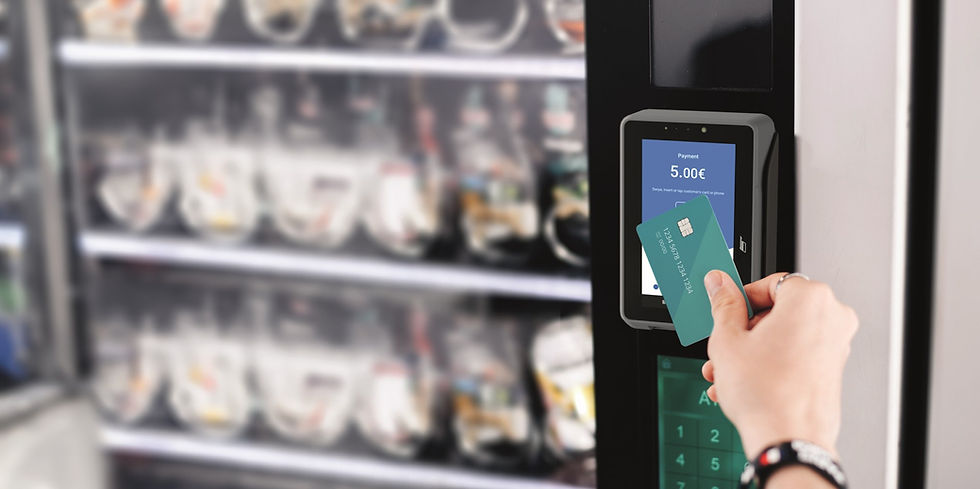
Today’s consumers expect speed, convenience and flexibility in every transaction. But with bricks-and-mortar retail stepping up its game, can progressive payment technology help vending operators to stay competitive? Refreshment's Bryony Andrews explores.