Refreshment focuses on the water dispenser/cooler, office coffee service and vending sectors, while also taking an in-depth look into products for vending from bottled water and drinks, to snacks and confectionery. It also focuses on hydration, health and wellness, new technologies and environmental and social responsibility issues.
.png)

Research
Coffee & tea

%20(1).jpg)

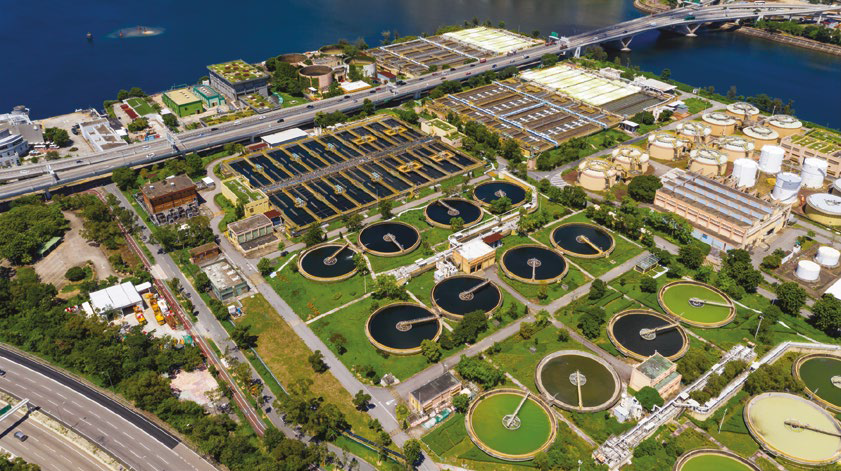
The safety of drinking water and sanitation systems has a direct impact on human health. While many societies enjoy incredibly high water and sanitation quality, approximately 40% of the world’s recognised countries have an Environmental Performance Index score of less than 50 out of 100.
As governments and businesses alike look towards 2026 global water quality targets, the search for sustainable, chemical-free solutions has never been more urgent. Enter bioaugmentation: the strategic use of ‘beneficial’ microorganisms to clean wastewater naturally.
In this article, Canadian-based company Bionetix International highlights the significant potential of bioaugmentation to help governments and businesses alike achieve their water quality goals.
What is bioaugmentation?
Bioaugmentation, or biological augmentation, is the addition of bacterial cultures or other microorganisms to an area with the aim of speeding up the existing rate of contaminant degradation. Organisms originating from the contaminated areas may already be able to break down waste, but may be inefficient and slow. Implementing more of these indigenous bacterial cultures can significantly boost degradation rates. Bioaugmentation is considered an extremely effective and sustainable approach to removing contaminants.
Bioaugmentation for wastewater
Wastewater released to the environment without proper treatment can negatively impact the quality of water sources (eg. lakes and rivers) that supply drinking water. Furthermore, temporary camps for military personnel, mining operations or humanitarian aid may depend on wastewater reclamation to support hundreds of people onsite, making quality wastewater treatment critical.
Wastewater treatment cannot happen without the presence of beneficial microorganisms that transform pollutants into stable end products such as carbon dioxide, nitrogen gas, water and microbial biomass. Biological performance depends on retention time, oxygen availability and other factors that may vary from system to system. Unfortunately, challenges like BOD (biochemical oxygen demand) overloads, excessive foaming, sludge build-up or slow system start-up indicate that existing microorganisms cannot handle the load. That is where bioaugmentation – the addition of beneficial microorganisms that degrade waste – can help to keep the system in balance.
Balancing wastewater overloads with ‘bugs’
Different microbial blends are suited to different wastewater challenges. In developing countries or remote locations where a new wastewater treatment system needs a quick start-up, bioaugmentation solutions can be used to rapidly seed or populate the system with billions of beneficial bacteria to support a wide range of waste degradation. Existing systems with sludge overloads could see a dramatic drop in pumping costs with the regular addition of microorganisms capable of digesting the sludge at the bottom of the lagoon. If ammonia levels are high, the right microorganisms can consume the excess. Bioaugmentation blends make it possible to tailor the solution to address specific problems.
Bringing water quality within reach around the globe
Many nations around the globe still need cleaner drinking water and better sanitation. Bioaugmentation can help to bring these goals in reach by enabling facilities to release cleaner wastewater to the ecosystem from which societies draw and filter potable water. Given the benefits of biological wastewater treatment, decision makers involved in advancing water quality around the globe should certainly consider the role of bioaugmentation in their water quality enhancement plan.