Refreshment focuses on the water dispenser/cooler, office coffee service and vending sectors, while also taking an in-depth look into products for vending from bottled water and drinks, to snacks and confectionery. It also focuses on hydration, health and wellness, new technologies and environmental and social responsibility issues.


Research
Coffee & tea

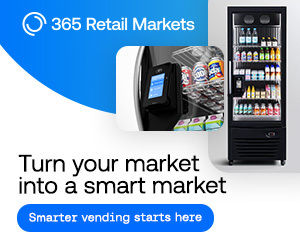

Recyclability influences purchasing decisions for almost two-thirds (64%) of European coffee capsule consumers, according to new research from packaging manufacturer Amcor.
The study surveyed 2,565 coffee capsule buyers across France, Italy, Spain and the UK, examining the factors that influence their choice of capsule material.
While 34% of respondents said recyclability was one of the main reasons for choosing a particular capsule type, a further 30% said it played a role in their decision.
The research also found that consumers perceive aluminium and plastic capsules as similarly easy to recycle. Around 60% of respondents said aluminium capsules were easy to recycle or dispose of in their area, compared with 57% for plastic.
However, more than a quarter said recycling or disposing of the capsules was complicated, highlighting potential gaps in consumer understanding of local recycling systems.
Amcor said brands could help address this by providing clearer recycling instructions, including QR codes on packaging that direct consumers to location-specific guidance.
Material preferences were also linked to sustainability perceptions. Among consumers who preferred aluminium capsules, 47% cited environmental benefits and recyclability as reasons for their choice, compared with 39% of those who favoured plastic.
Beyond environmental considerations, perceived coffee quality was a significant factor in material preference. Six in ten (60%) respondents associated aluminium capsules with higher-quality coffee, compared with 17% for plastic.
Overall, 77% of consumers believed capsule material influenced coffee taste. Among those who preferred aluminium, 40% cited its ability to preserve taste and aroma as a key reason.
Plastic capsules, meanwhile, were more strongly associated with affordability and availability. More than half (56%) of consumers who preferred plastic cited value for money, while 50% pointed to wider availability. A further 30% said ease of use and handling influenced their preference.
The findings come as packaging requirements evolve under the EU's Packaging and Packaging Waste Regulation (PPWR). From 2030, applicable polypropylene (PP) food-contact packaging will be subject to a minimum 10% post-consumer recycled (PCR) content requirement.
Sarah Neerkorn, senior market insights manager at Amcor, said: “While recyclability is important to coffee capsule buyers, brands must understand the full picture. Factors such as quality, value and convenience are all key to a great coffee experience."
"Brands have an opportunity to stand out by aligning their packaging with consumers’ priorities, with aluminium and plastic both offering strong options. As regulatory requirements evolve through the EU’s PPWR, choosing the right packaging will be key to balancing sustainability ambitions with customer expectations."

Related posts